Perimenopause doesn't have to mean losing yourself for the next decade.

You know that feeling of walking through treacle, even though you’re sleeping more now the kids are out of the nappy stage?
You snap at the kids over something tiny and regret it before you've even finished the sentence.
You've started pulling back when your son goes in for a hug because you're touched out, then lie awake wondering if you're teaching him to stop coming.
You've taken time off work to try and destress but you already know it’ll just repeat again because nothing’s actually changed.
You've got a shelf of supplements you bought because someone on Instagram said they worked, but you can’t remember what half of them do.
Things that never bothered you have randomly turned up – allergies, bloating, rapid weight gain – and this year you've stopped being able to ignore them.
You’ve read up all the symptoms and think you’re in perimenopause but your GP says you’re too young and to exercise more.
If that sounds like you then you're in the right place.
You’re not starting from neutral
Everyone talks about perimenopause like it's a decade to grit your teeth through. Nobody talks about why mums get hit so hard, and how much of what you're feeling now traces back to what happened to your body in pregnancy.
Pregnancy prioritises the baby, pulling nutrients from the mother’s body. And since most people go into pregnancy already depleted, it’s pulling from reserves that leave little left for you. And then childbirth, breastfeeding, broken sleep and the stress of balancing work and family life come into play, and you got so used to putting yourself last that you stopped noticing what feeling properly fed and rested even feels like.
Suddenly you’ve hit 40 with almost nothing left.
That's why you're snapping over nothing. That's why the cravings feel impossible to argue with. That's why you're standing in the supplement aisle grabbing the cheapest magnesium, because nobody's ever told you what your body actually needs.
Imagine knowing exactly what to reach for at breakfast so you're not fighting cravings by 3pm.
Imagine your child coming in for a hug and you're ready, instead of touched out, flinching, your mind on the other things that seem so important.
Imagine looking at the next 10 years and feeling something other than dread, because you know what's happening in your body and what to do about it.
That's what it means to stop gritting your teeth through this decade and start rebuilding what it's taken from you.
Because it’s not too late to do something about it.
And it starts with breaking up with the belief that your needs come last, and retraining yourself to nourish and feed yourself.
How we do that
No matter what your starting point or how we work together, we start with food, because it’s the foundation of everything.
And my philosophy is to start exactly where you are and build on what you're already eating. We don’t do restriction, counting or elimination (unless it’s genuinely necessary). We look at your current meal habits and add the good stuff to it – we up the nutrient density one meal at a time.
Enough clients have done this for long enough that they've started calling the result a "Tasha meal."
And over time the good stuff starts to crowd out the stuff that isn’t helping you, often without you even noticing.
That's the first stage of what I call The Rebuild Method:
Stabilise. Adding to the meals you already eat, so your blood sugar settles and the 3pm crash stops running your afternoon.
Replenish. Working out what pregnancy and years of feeding everyone else first have used up, and filling the gaps. We look at optimal ranges rather than just "normal", so we know where to start.
Understand. What perimenopause is doing to your hormones, digestion and energy, explained properly, so your symptoms stop feeling random and you can read what your body is telling you.
Expand. Once you've got some energy back, we turn to your nervous system: sleep, movement, time for yourself and the rhythms of your day and month.
Refine. If something's still stuck, whether that's your gut, your cycle, your mood or results that don't add up, we take a deeper look at your health history and testing and build a plan around you.
Ways to work with me
REBUILD (group programme)
A 3-month live group programme built around the first four stages of The Rebuild Method, with a 1:1 upgrade if you need it. Next round starts 19 November.
RESTORE (1:1)
My most in-depth 1:1 work, for a small number of clients at a time with complex challenges or who want personalised support. Over 3–4 months we work through The Rebuild Method, tailored to you.
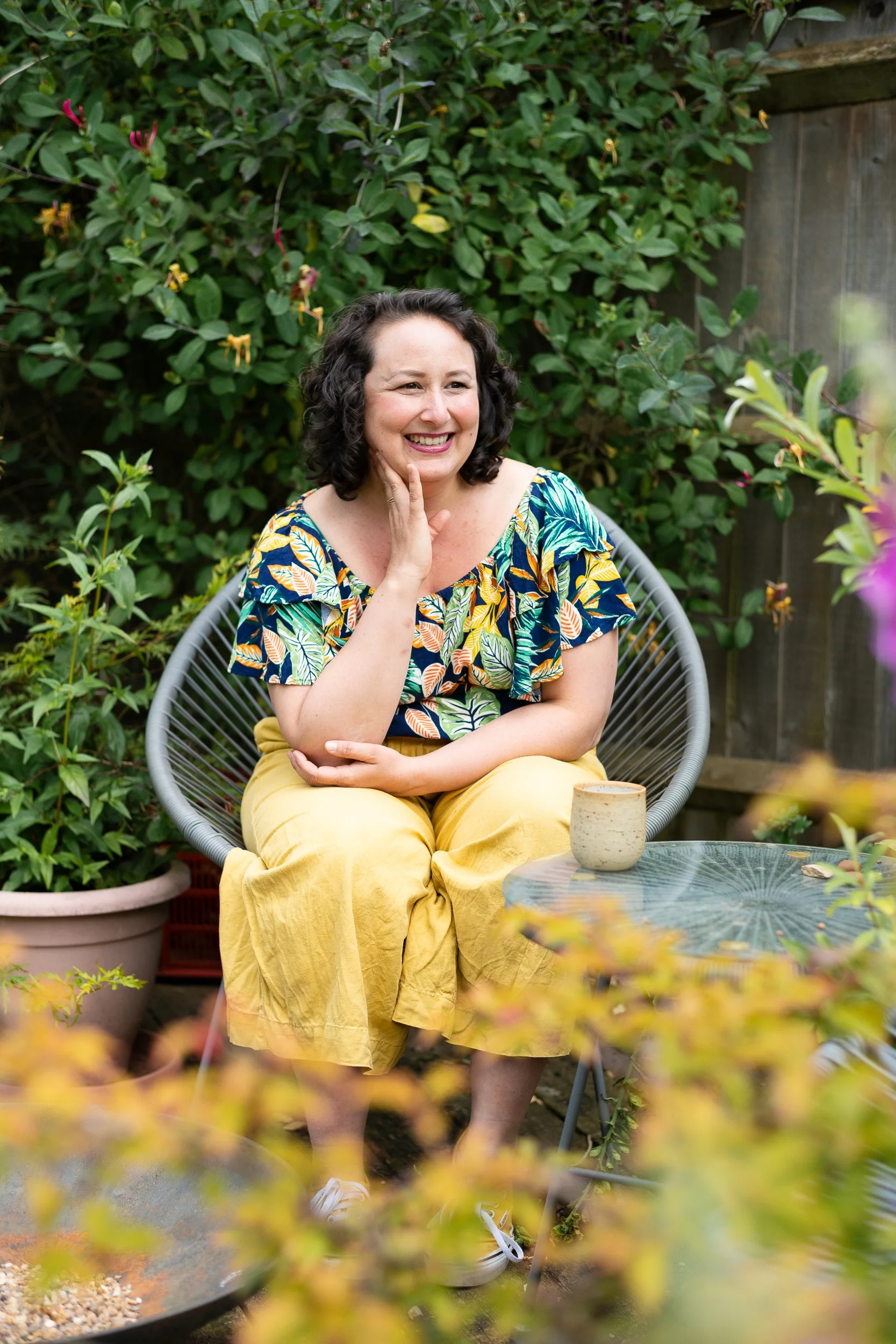
Hi, I'm Tasha
I spent eight years helping mums nourish themselves through pregnancy and the toddler years. When I hit my 40s, and started seeing clients the same age, I realised most of us were carrying the same depletion I'd seen in my early motherhood clients – except the hormonal changes were amplifying it even more.
I don't believe in counting calories, cutting carbs, or willpower. I believe you can feel properly fed and like yourself again without depriving yourself of anything, and that this decade is exactly the right time to start.